Uncover What Social Media Doesn’t Show

The Hidden Trauma of Family Estrangement in the Digital Age
Family estrangement has always existed, but in the digital age, it has taken on a new and deeply visible form. What was once a private rupture between parents and children now unfolds in public spaces on social media feeds, comment sections, and viral posts that often tell only one side of the story. For many, the pain is no longer just about separation. It is about being rewritten.
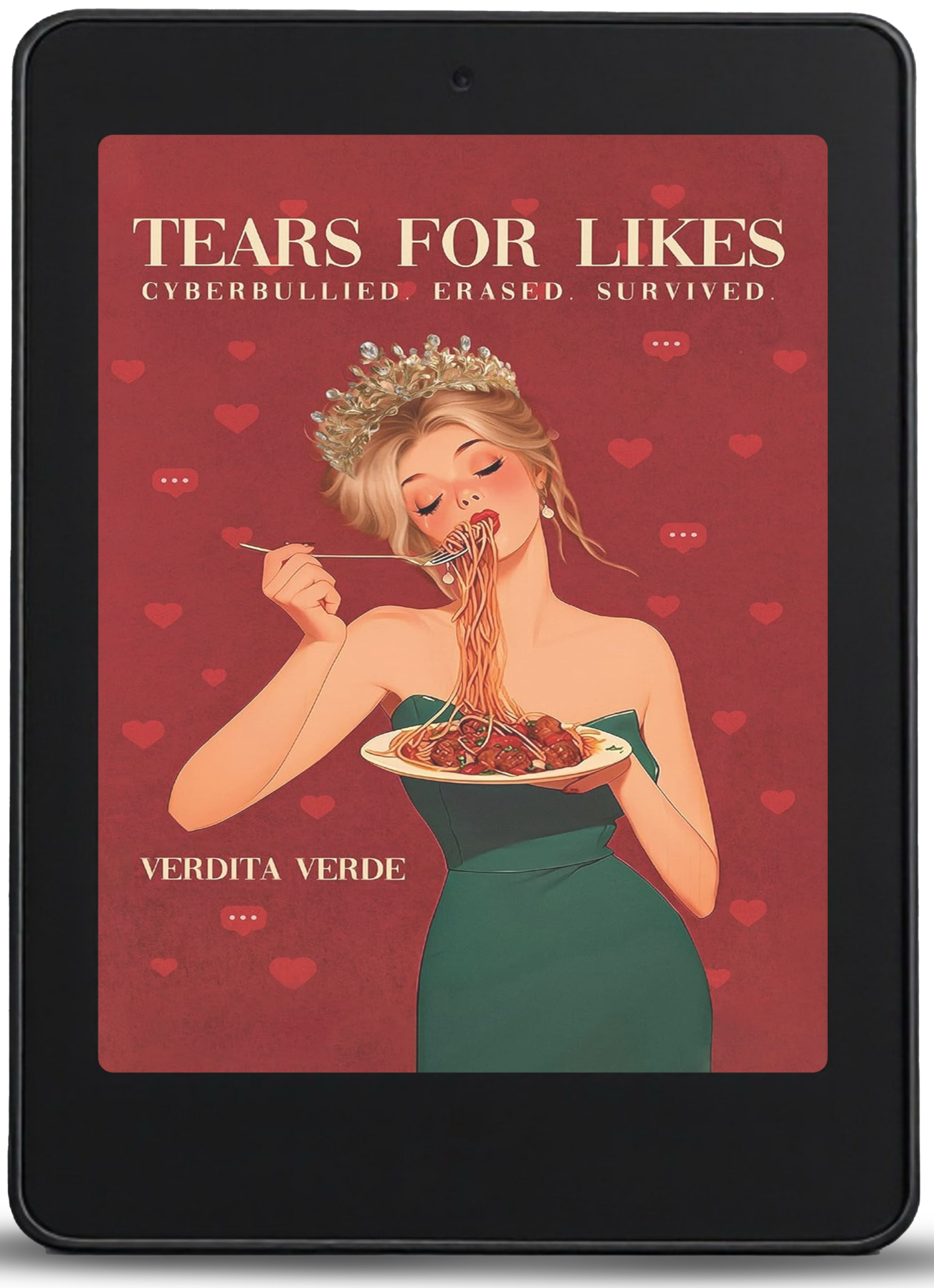
In Tears for Likes, this reality is not abstract. It is lived. It is felt in every erased photograph, every unanswered message, every public narrative that replaces a lifetime of shared memories with a single emotional caption. The book captures a difficult truth: estrangement today is not only emotional, but it is also digital, permanent, and performative. And that changes everything.
Estrangement in the Age of Visibility
Traditionally, family estrangement unfolded quietly. It was painful, but contained within private boundaries. Today, those boundaries no longer exist in the same way. Social media has transformed personal conflict into public storytelling. A disagreement becomes content. A boundary becomes a statement. And sometimes, a parent or child becomes a character in a narrative shaped for strangers to consume. The result is not just separation, it is public redefinition.
As seen in Tears for Likes, platforms can act like “pseudo-family courts,” where context is stripped away, and emotional storytelling replaces nuance. Once a story enters the algorithm, it gains momentum. Likes replace understanding. Shares replace truth. And perception becomes more powerful than lived experience.
The Emotional Cost of Being Erased
One of the most overlooked aspects of family estrangement is emotional erasure. It is not simply being cut off. It is being removed from the story entirely. In many cases, one family member becomes the narrator while the other becomes invisible. Photos disappear. Roles are rewritten. Years of shared history are condensed into a single version that fits an online narrative. This is where the trauma deepens.
Being estranged privately is painful. Being estranged publicly is disorienting. It creates a constant internal conflict:
- What people think happened
- What actually happened
- And what can never be corrected once it spreads online
In Tears for Likes, this experience is described through the lens of motherhood and identity, where a parent is not only separated from their child, but also publicly reframed as a symbol of harm. That duality creates a psychological weight that is difficult to articulate and even harder to resolve.
When “Therapy-Speak” Becomes a Weapon
One of the most complex shifts in modern estrangement culture is the rise of therapy language in everyday conflict. Words like “toxic,” “boundaries,” and “narcissistic abuse” have entered mainstream vocabulary. While these terms are important in clinical settings, their casual use online has changed how family conflict is interpreted. Not every disagreement is abuse. Not every emotional discomfort is trauma. But in digital spaces, nuance is often lost.
As highlighted in the psychiatrist’s perspective within Tears for Likes, social media encourages simplified emotional narratives. A complex relationship becomes a binary: victim and villain. This framing can harden emotional distance, making reconciliation more difficult. Instead of encouraging dialogue, online discourse often encourages certainty. And certainty leaves little room for repair.
The Role of Public Validation
One of the most powerful forces shaping modern estrangement is audience participation. When a personal story is shared online, it does not remain between two people. It becomes a performance with thousands of unseen judges. Each comment, like, or share adds weight to a particular version of truth. This external validation can unintentionally solidify emotional distance.
In Tears for Likes, this dynamic is shown clearly: once a narrative is accepted by the public, it becomes difficult for alternative perspectives to exist. Even reconciliation can feel like a betrayal of the audience’s belief system. The internet does not just witness relationships. It influences them.
The Silent Trauma of Parents and Children
Estrangement is often discussed from the perspective of the person who initiates it. Less often, we talk about the psychological toll on the person who is cut off. Research shows that estranged parents frequently experience symptoms similar to grief and trauma loss, anxiety, depression, and social withdrawal. But when estrangement becomes public, the shame intensifies.
There is a difference between losing a relationship and being publicly blamed for its loss. At the same time, children raised in environments where estrangement is normalized may internalize a fragile understanding of relationships. They may learn that love is conditional, and that walking away is the first—not last—response to conflict. This is how estrangement can quietly pass from one generation to another.
When Private Pain Becomes Public Identity
One of the most striking realities of the digital age is how personal pain becomes identity. A family conflict can evolve into a personal brand. A story of hurt can become a platform. At that point, healing becomes complicated. Healing requires privacy, reflection, and often silence. But online narratives thrive on engagement, visibility, and ongoing reinforcement.
This tension creates a cycle where resolution is not always rewarded. Tears for Likes explores this carefully, showing how easily human relationships can be reframed into content and how difficult it becomes to step outside that framing once it exists.
Is Reconciliation Still Possible?
Despite everything, estrangement is not always permanent. Many families do find their way back to each other. But reconciliation in the digital age requires something new: the ability to separate personal healing from public storytelling. It requires space that is not influenced by audience reaction, comment sections, or algorithmic reinforcement.
It also requires a willingness to sit with discomfort without immediately turning it into a narrative. Reconnection is still possible, but it is quieter now. Less visible. Less performative. And often, more fragile.
A Different Way Forward
The rise of digital estrangement is not just a family issue. It is a cultural one.
It forces us to ask difficult questions:
- What happens when personal conflict becomes public content?
- How do we protect relationships in a world that rewards exposure?
- And can we still separate healing from performance?
There are no simple answers.
But awareness is a beginning. Tears for Likes does not offer a perfect resolution. Instead, it opens a conversation about memory, identity, and the cost of turning private pain into public narrative. Because behind every post, every story, and every comment, there are real relationships still trying to make sense of what was lost. And sometimes, what was lost is not just the connection but understanding itself.